
Embarking on a journey at an EMS school is both exciting and demanding. To help you navigate and succeed throughout your training, we’ve compiled a list of essential tips. These insights are designed to make your learning experience as smooth and enriching as possible.
Starting EMS training often means adjusting to a fast-paced learning environment where both theoretical knowledge and practical skills must develop simultaneously. By preparing early and following structured strategies, students can build confidence and stay organized throughout their coursework.
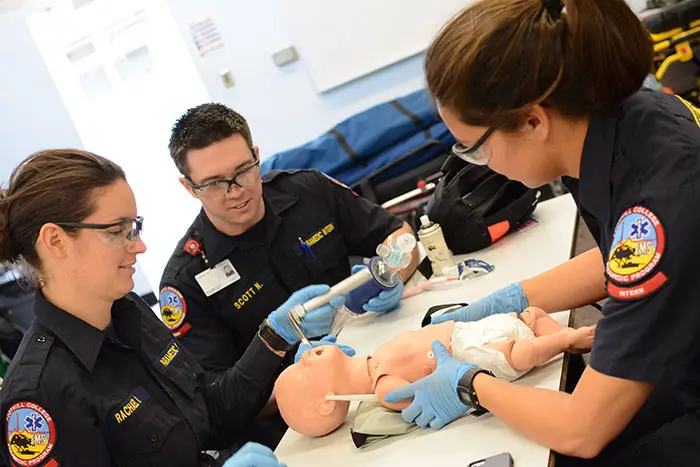
Image source: Foothill College. (n.d.). EMS Program. Image courtesy of Foothill College.
Creating a Study Routine
Consistency is key when it comes to mastering new skills. Establishing a dedicated study schedule helps in retaining information more effectively. Start by planning daily or weekly study blocks and stick to them. This will not only help you cover all necessary material but also relieve the last-minute cramming sessions.
In EMS education, topics such as patient assessment, airway management, and trauma care require repeated review. Breaking study sessions into smaller focused topics can make complex material easier to understand and remember.
Developing a habit of reviewing notes after each class can also strengthen retention and allow students to identify areas that may need additional clarification.
Utilize Available Resources
EMS schools provide a wealth of resources, and it’s crucial to leverage them to the fullest. In addition to textbooks and simulation labs, learning how professionals organize their equipment using customizable field tools kits can also help students understand how tools are structured and accessed during real emergency responses.
Many EMS programs also provide access to skill labs, training mannequins, and simulation environments where students can practice real emergency scenarios. Taking advantage of these opportunities allows students to reinforce what they learn in the classroom.
Students can also explore additional resources such as professional EMS podcasts, training videos, and online forums where experienced responders share insights about real-world emergency care.
Engage with Instructors
Your instructors are invaluable resources during your EMS training. Regularly engage with them ask questions, seek clarification, or discuss real-world scenarios to enhance your understanding and gain deeper insights into complex topics.
Instructors often bring years of field experience into the classroom, which can provide valuable perspectives beyond textbook learning. Taking the initiative to ask questions during lectures or after class can help clarify difficult topics and deepen your understanding of emergency medical procedures.
Practice Hands-On Skills
Practical skills are at the heart of EMS training. Every opportunity to engage in hands-on activities should be seized.
Practice regularly with your peers, use lab sessions effectively, and ask for specific feedback on techniques to refine your abilities. Understanding how EMT kits play a critical role in emergency situations can also help students appreciate the importance of practicing with the same tools used in real-world response scenarios.
Repetition plays a major role in building muscle memory. Practicing tasks such as taking vital signs, applying bandages, or setting up equipment helps ensure that students can perform these actions quickly and accurately when faced with real emergencies.
Connect with Classmates
Form study groups with classmates to enhance your learning experience. Group studies foster a collaborative environment where knowledge is shared, and new perspectives on challenging topics are gained.
Studying with peers can also simulate the teamwork required in real EMS situations. Emergency response often involves working closely with other professionals, and developing communication skills during training can help students prepare for these collaborative environments.
Stay Physically Fit
EMS work requires physical stamina, so it’s essential to stay in shape. Implement regular exercise routines that boost your overall fitness and ensure you’re physically prepared for the job’s rigorous duties.
Strength training, cardiovascular exercise, and flexibility routines can help students maintain the endurance needed for lifting equipment, assisting patients, and responding quickly during emergency situations.
Maintaining good physical health also contributes to better mental focus and overall performance during demanding training sessions.
Manage Stress Effectively
EMS training can be stressful. Adopting stress management techniques such as meditation, deep breathing, or regular exercise helps you maintain mental clarity and resilience.
Developing healthy routines such as adequate sleep, balanced nutrition, and scheduled breaks can also support mental well-being throughout the program. Managing stress effectively allows students to stay focused and perform better during both academic and practical evaluations.
Embrace Technological Tools
Technological tools like simulation software and apps are powerful resources for EMS students. Use interactive features to practice real-world scenarios and quizzes to reinforce your knowledge.
Many EMS-focused mobile applications also provide quick references for medications, protocols, and anatomy diagrams. Having these resources easily accessible can support both classroom learning and independent study.
Stay Curious and Ask Questions
Curiosity is a powerful driving force in academic success. Ask questions whenever you’re uncertain, and engage in discussions to deepen your understanding of complex topics.
Being proactive in learning encourages deeper comprehension and helps students develop critical thinking skills that are essential in emergency medical situations.
Balance Study and Free Time
Balance is key to preventing burnout. Make time for relaxation and hobbies that recharge your mental and physical energy, so you return to your studies with renewed focus.
Maintaining a healthy balance between academics and personal life can improve long-term productivity and help students sustain motivation throughout their EMS training.
Reflect on Your Progress
Self-reflection is crucial for academic development. Regularly assess your growth and areas needing improvement to refine your study efforts and make informed adjustments to your learning strategies.
Keeping a study journal or tracking completed topics can help students visualize their progress and stay motivated as they advance through their coursework.
Develop a Positive Attitude
Maintaining a positive outlook will help you face challenges with resilience. Embrace obstacles as opportunities for growth, and approach each one with enthusiasm to develop confidence and perseverance.
A strong mindset can make a significant difference during demanding coursework, helping students remain focused even when learning difficult procedures or concepts.
Apply Real-World Scenarios
Link your theoretical knowledge with real-world scenarios. Practice case studies and scenario-based learning exercises to make the knowledge stick and better prepare you for actual field situations.
Scenario-based training helps students understand how to respond effectively during emergencies. Learning how EMT kits support emergency situations can also provide insight into how the right equipment contributes to faster and more efficient patient care.
Seek Feedback Regularly
Constructive feedback is essential for growth. Regularly ask instructors and peers for feedback on your performance and use it to improve your skills and understanding.
Feedback from experienced instructors can help students identify small technique improvements that significantly impact performance during patient care situations.
Stay Updated with Industry Trends
Keeping abreast of the latest developments in EMS will ensure that your training remains relevant and forward-thinking. Engage with industry news and attend webinars to stay informed on emerging trends.
Reading professional publications and following EMS organizations online can also help students stay aware of advancements in emergency care practices and technologies.
Final Thoughts
Embarking on your EMS journey can be a challenging yet rewarding experience. By applying these tips, you’re well on your way to becoming a confident and competent EMS professional.
Understanding the reasons EMS school can transform your career helps you see how structured training, hands-on experience, and access to the right resources build not only knowledge but also real-world confidence and critical decision-making skills.
Every lecture, lab, and simulation is an opportunity to shape your professional abilities and prepare you for the unpredictable demands of the field.
Ready to enhance your EMS training?At MedTechKits.com, we provide customized solutions designed to support your growth and success. Explore our products and take the next step in your EMS career today!