
When preparing for EMT school, there are a few essential tools you simply can’t do without and understanding how does a stethoscope work is the first step to mastering its use. One of the most important instruments in emergency medicine, the stethoscope allows you to assess and monitor patients quickly and accurately.
In this post, we'll break down the mechanics of sound conduction, the anatomy of the device, and why EMT students should look for an affordable, reliable option as they begin their training.
How Does a Stethoscope Work?
At its core, a stethoscope is a sound resonator. It doesn't actually amplify sound like a powered speaker; instead, it captures sound waves from the body and funnels them through an airtight path to your ears.
When the heart beats or lungs expand, they create vibrations. The diaphragm of the stethoscope picks up these high-frequency vibrations and converts them into acoustic pressure waves. These waves travel through the airtight tubing, reflecting off the inner walls to maintain their strength until they reach the earpieces.
Because the sound is concentrated into a small area and sealed off from outside noise, it becomes loud enough for the human ear to distinguish specific patterns.
Anatomy of a Stethoscope
A stethoscope is a simple yet powerful tool that consists of many components. The main 4 are:
- Chestpiece: This is the metal part with a diaphragm (used to detect higher-frequency sounds like heartbeats) and sometimes a bell (for lower-frequency sounds like certain lung issues).
- Diaphragm: The flat, circular part of the chestpiece that captures sound from the body when pressed against the skin.
- Tubing: The flexible rubber or PVC tube that transmits sound from the chestpiece to the ears. The quality and length of tubing can influence sound clarity.
- Headset: The metal part that holds the earpieces, allowing the sound to reach your ears.
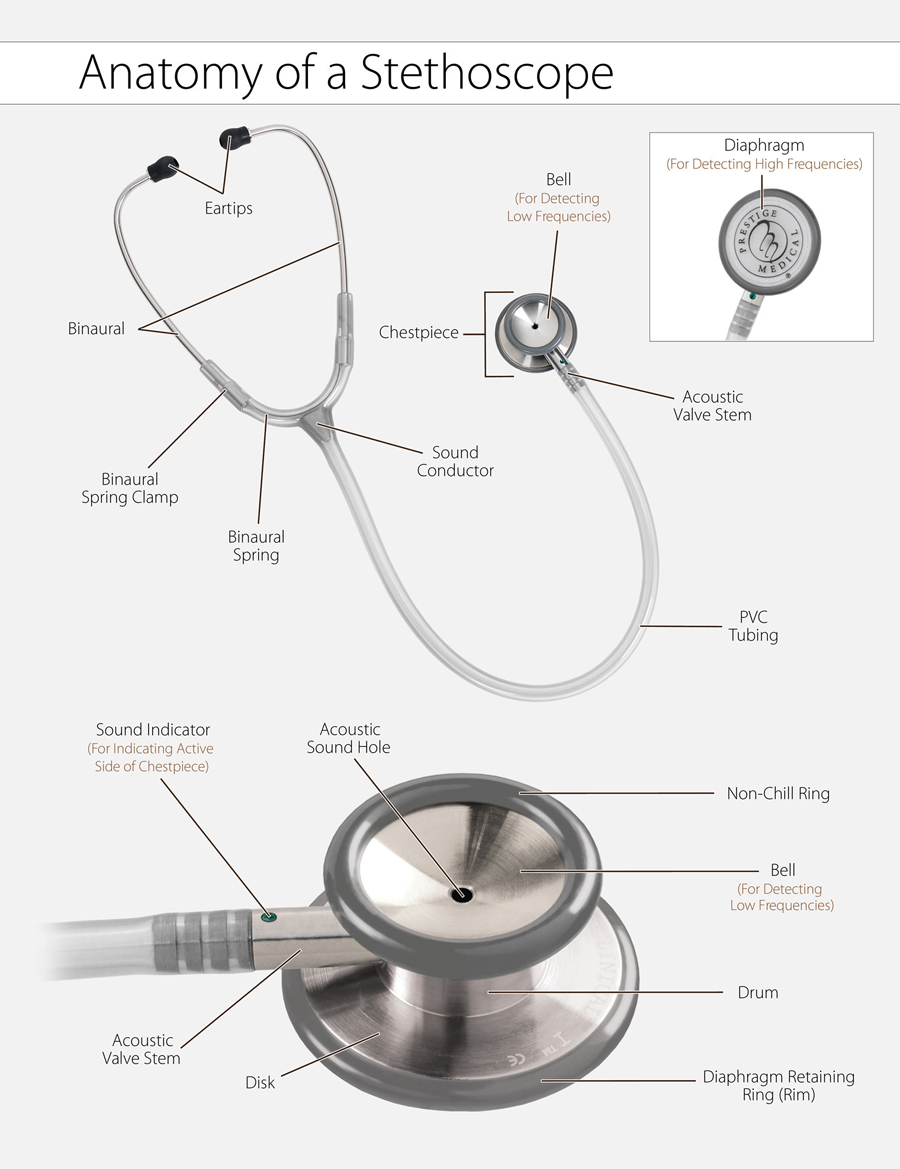
Each part of the stethoscope plays a critical role in providing clear, accurate sound, which is vital when diagnosing a patient in an emergency setting.
How Materials Impact Stethoscope Quality
The materials used in a stethoscope can significantly impact its durability and sound quality. For example:
- Chestpiece material: Higher-end stethoscopes often use trauma shears or emt shears, which offer superior acoustics compared to cheaper aluminum models.
- Tubing: Flexible and thick tubing made of high-quality rubber or PVC ensures that sound travels effectively from the chestpiece to the earpieces. Lower-quality tubing may degrade faster and allow for sound distortion over time.
- Earpieces: Comfortable, well-sealed earpieces are essential for reducing external noise and ensuring a snug fit. Inexpensive models may have less comfortable earpieces, which can affect the quality of sound transmission.
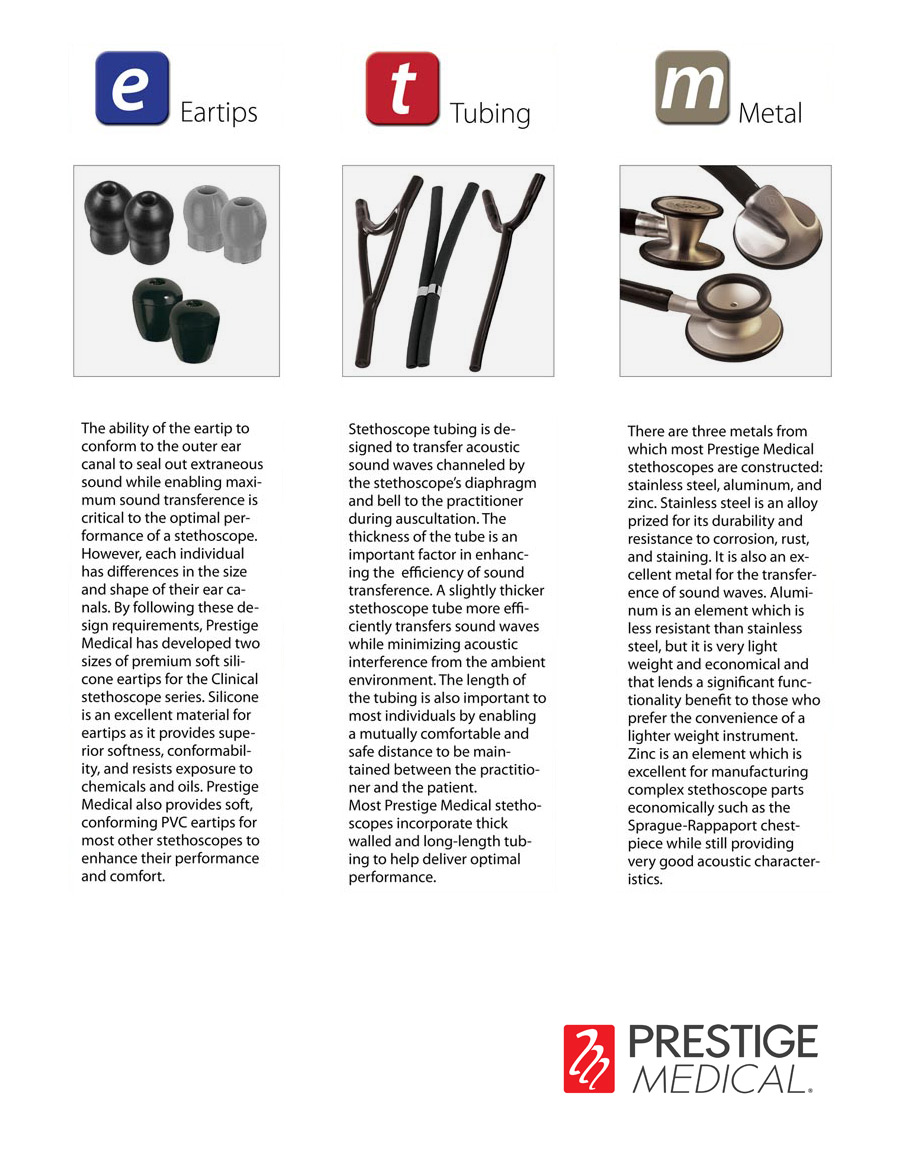
While it’s not always necessary to have the highest-grade materials for training, it’s important to select a stethoscope that balances durability with sound quality for accurate assessments.
Types of Stethoscopes
There are several types of stethoscopes available, each designed to suit specific purposes. Here's a look at the most common ones you'll encounter:
1. Acoustic Stethoscopes
These are the traditional models used by most healthcare providers. They rely on physical sound waves traveling through the tubing and are ideal for field assessments in loud environments.
Clinical Lite Stethoscope
The prestige medical stethoscope is a fan favorite among students due to its incredibly lightweight aluminum construction, which prevents neck strain during long 12-hour shifts.
Despite its light feel, it offers high acoustic sensitivity for both high and low frequencies, making it a dependable tool for everyday clinical use. It’s an ideal balance of professional performance and all-day comfort for anyone just starting their medical journey.
Dual Head Stethoscope
The dual head stethoscope is designed for versatility, featuring both a traditional diaphragm and a deep bell to capture a wider range of body sounds. By simply rotating the chestpiece, students can switch between hearing high-pitched heart sounds and lower-frequency lung murmurs with ease.
This model is perfect for students who want a hands-on way to learn the nuances of comprehensive patient assessment without a high price tag.
Littmann Lightweight II S.E.
Specifically engineered for entry-level professionals, the littmann lightweight ii se features a unique teardrop or "ovoid" shape. This specialized design allows the chestpiece to slide easily under blood pressure cuffs, making manual vitals much easier to navigate during training.
It provides clear, reliable acoustics for basic physical assessments while remaining the lightest of all Littmann adult stethoscopes.
2. Cardiology Stethoscopes
Designed for extreme detail, these stethoscopes pick up the faintest murmurs and internal sounds. While they are on the higher end of the price spectrum, they offer unmatched durability.
Littmann Classic III Stethoscope
The littmann classic iii stethoscope is globally recognized for its exceptional acoustic sensitivity, allowing you to hear even the faintest sounds in loud environments. It features tunable diaphragms on both sides of the chestpiece, giving you the ability to hear different frequencies simply by adjusting the pressure you apply.
Built with next-generation tubing that resists skin oils and alcohol, this stethoscope is designed to remain a staple in your kit for years to come.
3. Electronic Stethoscopes
These amplify sound using electronic components, making it easier to hear faint sounds that might be difficult to detect with a standard acoustic stethoscope. While beneficial in certain settings, they tend to be more expensive and are often overkill for EMT students.
4. Pediatric and Infant Stethoscopes
These have smaller chestpieces designed for use on pediatric patients, making them ideal if you expect to work in environments that deal with children frequently. For EMT students, an acoustic stethoscope is usually the best option, as it provides the necessary sound quality without the higher price point of more advanced models.
5. Accessories & Field Gear
In the fast-paced world of EMS, how you carry your gear is just as important as the gear itself. Proper storage prevents damage to your equipment and ensures personal safety during patient contact.
Stethoscope Belt Clip
A stethoscope holder clip is a best for field providers who want to avoid the "neck-swing" of a traditional stethoscope. Carrying a stethoscope around your neck can lead to skin irritation from tubing oils and can even be a safety hazard if a combative patient grabs it.
By using a heavy-duty waist clip, you keep your stethoscope secure, protected from the elements, and instantly accessible whenever you need to jump into action.
High-End vs. Entry-Level Stethoscopes
When it comes to stethoscopes, there is a wide range of quality available in the market.
High-End Stethoscope
These can range from $100 to $300. They often come with dual head chestpieces, high-quality materials like stainless steel, and advanced acoustics, making them ideal for cardiologists or professionals needing precise auscultation.
Higher-end stethoscopes offer advanced features such as noise reduction technology, superior acoustics, and customizable options. While these features are beneficial for experienced healthcare professionals, they are not necessary for EMT students.
Entry-Level Stethoscope
These are typically priced between $20 and $50. They may have simpler construction and materials, usually made of aluminum chestpieces, but are still more than adequate for EMT students.
Entry-level models are durable enough for daily use and offer clear sound, which is essential when you're learning the basics of patient care and building your EMT school supplies.
Choosing the right stethoscope for your needs
For EMT students, a good quality stethoscope that fits within a complete study kit is a practical and cost-effective choice. As you begin your training, you don’t necessarily need the most expensive model, but you do need one that delivers consistent performance and reliability during patient assessments.
A well-balanced stethoscope helps you build confidence as you learn to identify heart, lung, and other body sounds accurately. Ultimately, EMT students should prioritize functionality, comfort, and reliability over advanced features that may not be necessary at the beginner level.
A dependable stethoscope will not only support your learning but also prepare you for real-world scenarios where quick and accurate assessments are critical.
MedTech - Your One-Stop-Shop for EMT School Supplies
Preparing for EMT school goes beyond just choosing a stethoscope it involves equipping yourself with all the essential tools needed for both classroom learning and hands-on clinical practice. Having access to a complete, well-organized set of equipment ensures you’re ready to perform skills confidently and efficiently during training and real-life situations.
Ready to equip yourself for EMT school? At MedTech, we provide a wide range of high-quality stethoscopes and essential EMS tools designed specifically for students and professionals. Our carefully curated kits are built to meet educational requirements while also preparing you for the demands of the field.
Visit MedTechKits.com today to explore our selection and find the right tools to support your journey. With the right equipment in hand, you’ll be better prepared to succeed in your training and confidently step into your role as a future EMT.


