
When preparing for EMT school, there are a few essential tools you simply can’t do without. One of the most important is the stethoscope, a fundamental instrument in emergency medicine that allows you to assess and monitor patients quickly and accurately.
In this post, we'll break down the anatomy of a stethoscope, how material quality affects its performance, and why EMT students should look for an affordable, reliable option as they begin their training.
Why is a quality stethoscope important for EMT students?
A stethoscope is a vital tool for EMTs to assess patients' heart, lung, and other body sounds. A high-quality stethoscope ensures clear and accurate sound transmission, allowing students to make precise diagnoses and provide optimal care.
Anatomy of a Stethoscope
A stethoscope is a simple yet powerful tool that consists of many components. The main 4 are:
- Chestpiece: This is the metal part with a diaphragm (used to detect higher-frequency sounds like heartbeats) and sometimes a bell (for lower-frequency sounds like certain lung issues).
- Diaphragm: The flat, circular part of the chestpiece that captures sound from the body when pressed against the skin.
- Tubing: The flexible rubber or PVC tube that transmits sound from the chestpiece to the ears. The quality and length of tubing can influence sound clarity.
- Headset: The metal part that holds the earpieces, allowing the sound to reach your ears.
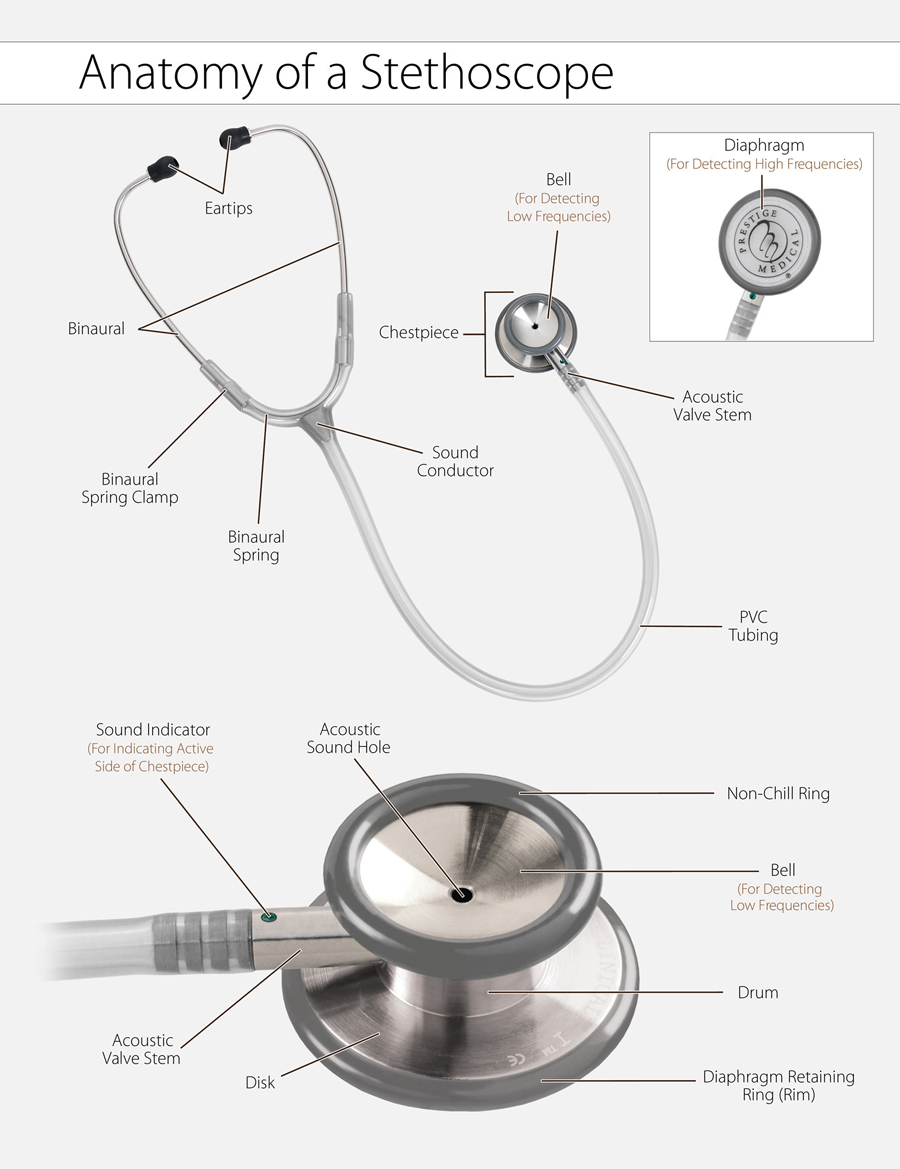
Each part of the stethoscope plays a critical role in providing clear, accurate sound, which is vital when diagnosing a patient in an emergency setting.
How Materials Impact Stethoscope Quality
The materials used in a stethoscope can significantly impact its durability and sound quality. For example:
- Chestpiece material: Higher-end stethoscopes often use trauma shears or emt shears, which offer superior acoustics compared to cheaper aluminum models.
- Tubing: Flexible and thick tubing made of high-quality rubber or PVC ensures that sound travels effectively from the chestpiece to the earpieces. Lower-quality tubing may degrade faster and allow for sound distortion over time.
- Earpieces: Comfortable, well-sealed earpieces are essential for reducing external noise and ensuring a snug fit. Inexpensive models may have less comfortable earpieces, which can affect the quality of sound transmission.
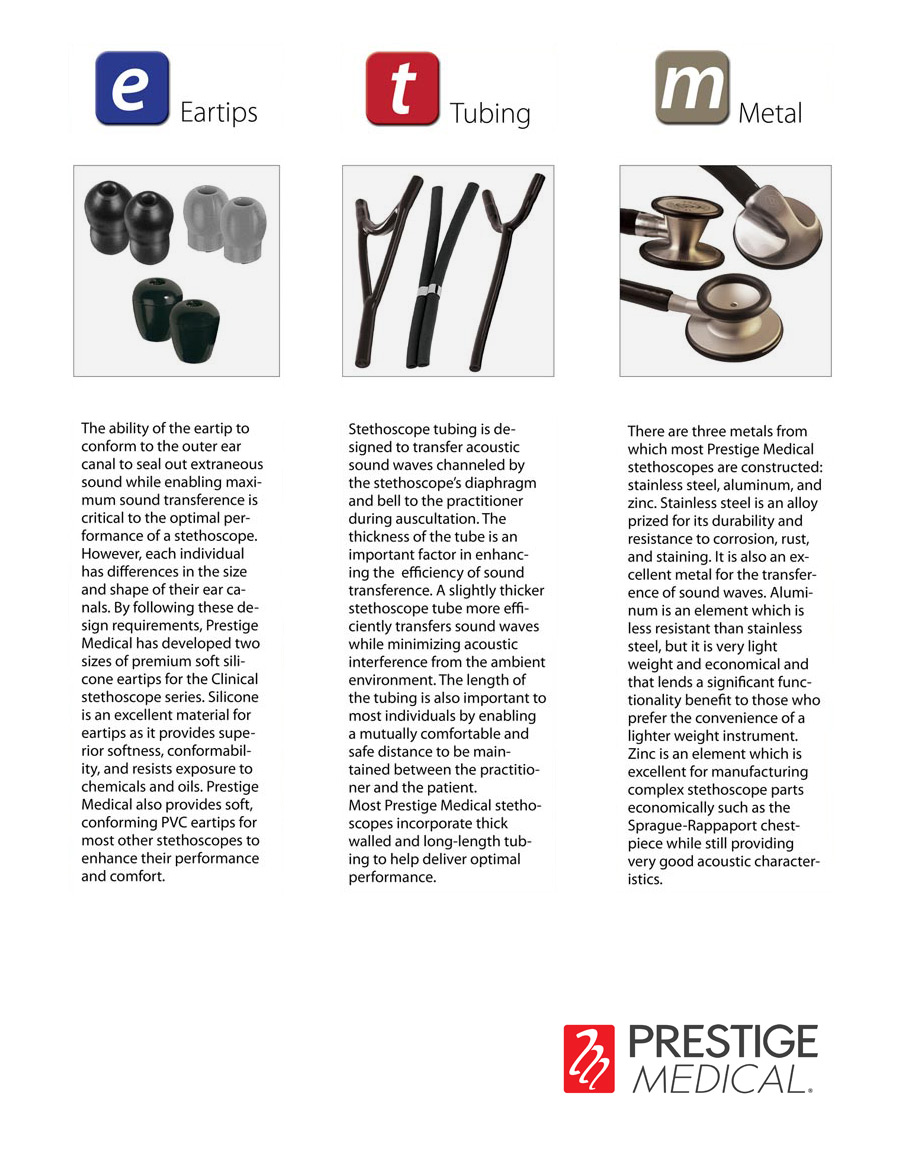
While it’s not always necessary to have the highest-grade materials for training, it’s important to select a stethoscope that balances durability with sound quality for accurate assessments.
Types of Stethoscopes
There are several types of stethoscopes available, each designed to suit specific purposes. Here's a look at the most common ones you'll encounter:
Acoustic Stethoscopes
These are the traditional stethoscopes used by most EMTs and healthcare providers. They rely on sound traveling through the tubing to your ears and are ideal for basic assessments of heart, lung, and bowel sounds.
Electronic Stethoscopes
These amplify sound using electronic components, making it easier to hear faint sounds that might be difficult to detect with a standard acoustic stethoscope. While beneficial in certain settings, they tend to be more expensive and are often overkill for EMT students.
Cardiology Stethoscopes
Designed for specialists, these stethoscopes provide superior acoustic quality and are capable of picking up even the faintest heart murmurs. While excellent for precision, they tend to be on the higher end of the price spectrum and may not be necessary for students.
Pediatric and Infant Stethoscopes
These have smaller chestpieces designed for use on pediatric patients, making them ideal if you expect to work in environments that deal with children frequently. For EMT students, an acoustic stethoscope is usually the best option, as it provides the necessary sound quality without the higher price point of more advanced models.
High-End vs. Entry-Level Stethoscopes
When it comes to stethoscopes, there is a wide range of quality available in the market.
High-End Stethoscope
These can range from $100 to $300. They often come with dual head chestpieces, high-quality materials like stainless steel, and advanced acoustics, making them ideal for cardiologists or professionals needing precise auscultation.
Higher-end stethoscopes offer advanced features such as noise reduction technology, superior acoustics, and customizable options. While these features are beneficial for experienced healthcare professionals, they are not necessary for EMT students.
Entry-Level Stethoscope
These are typically priced between $20 and $50. They may have simpler construction and materials, usually made of aluminum chestpieces, but are still more than adequate for EMT students.
Entry-level models are durable enough for daily use and offer clear sound, which is essential when you're learning the basics of patient care and building your EMT school supplies.
Choosing the right stethoscope for your needs
For EMT students, a good quality stethoscope that fits within a complete study kit is a practical and cost-effective choice. As you begin your training, you don’t necessarily need the most expensive model, but you do need one that delivers consistent performance and reliability during patient assessments. A well-balanced stethoscope helps you build confidence as you learn to identify heart, lung, and other body sounds accurately.
Ultimately, EMT students should prioritize functionality, comfort, and reliability over advanced features that may not be necessary at the beginner level. A dependable stethoscope will not only support your learning but also prepare you for real-world scenarios where quick and accurate assessments are critical.
MedTech - Your One-Stop-Shop for EMT School Supplies
Preparing for EMT school goes beyond just choosing a stethoscope—it involves equipping yourself with all the essential tools needed for both classroom learning and hands-on clinical practice. Having access to a complete, well-organized set of equipment ensures you’re ready to perform skills confidently and efficiently during training and real-life situations.
Ready to equip yourself for EMT school? At MedTech, we provide a wide range of high-quality stethoscopes and essential EMS tools designed specifically for students and professionals. Our carefully curated kits are built to meet educational requirements while also preparing you for the demands of the field.
Visit MedTechKits.com today to explore our selection and find the right tools to support your journey. With the right equipment in hand, you’ll be better prepared to succeed in your training and confidently step into your role as a future EMT.


